Stop Operating Your Business.
Start Architecting It.
Most home service business owners don’t need more effort.
They need a better system.
Leverage OS is a business operating system designed to remove owner dependency – so your business can generate demand, revenue, and growth without requiring you to be everywhere, all the time.
This isn’t about hustling harder.
It’s about designing something that compounds.
The real problem
Effort Isn’t The Issue…
Design Is.
If your business feels fragile, exhausting, or unpredictable, it’s not because you’re lazy or undisciplined.
It’s because the business is still being operated, not architected.
When the owner is the system:
- demand stops when you stop
- revenue feels inconsistent
- growth creates stress instead of freedom
- stepping away feels impossible
Working harder doesn’t fix that.
Better structure does.
Read the Story of Operator > Architect
Businesses Grow Like Orchards – Not Campaigns
Sustainable businesses don’t grow through bursts of effort.
They grow through compounding systems.
You plant before you harvest.
You harvest responsibly.
You expand only when the season allows it.
And you build structure to protect what grows.
Leverage OS is built on these same laws – not trends, hacks, or tactics that expire.
INTRODUCING LEVERAGE OS
A System Designed for Calm, Not Chaos
Leverage OS is a four-engine operating system that removes the need for constant owner involvement.
Each engine solves a specific form of owner dependency.
Installed together, they replace reactivity with structure – and pressure with predictability.
This is not a course or a collection of tactics.
It’s an architectural model for building a business that runs without you.
THE FOUR ENGINES
The Four Engines That Remove Owner Dependency
Visibility Engine
Demand without chasing
You plant consistent search-based assets so demand appears at the moment of confusion – without manual outreach or constant ad spend.
You stop hunting. You start planting.
Commitment Engine
Revenue without pressure
You guide people through appropriate next steps – diagnosis before prescription – so commitment becomes continuous and cashflow stabilises.
You stop closing. You start caring.
Ascension Engine
Growth without awkward selling
You expand value only when timing and trust align – so higher prices feel natural, not forced.
You stop upselling. You start guiding.
Capacity Engine
Scale without collapse
You build load-bearing structure before growth overwhelms delivery – so quality and calm are preserved as demand increases.
You stop being the glue. The system holds.
THE identity shift
Operator → Architect
Stewardship Becomes Possible
Leverage OS doesn’t ask you to become a different person.
It asks you to adopt a different role.
Instead of reacting inside the business, you begin designing the business.
When you architect properly:
- effort decreases
- predictability increases
- trust compounds
- the business no longer needs you to function
That’s when stewardship becomes possible.
Built from Lived Experience…
Not Theory
Leverage OS wasn’t invented in a boardroom.
It was built through decades of operating, breaking, rebuilding, and refining my real home service business – learning first hand what actually removes owner dependency, and what only creates the illusion of scale.
The system you see here is taught from experience, not from a book.
Start Where You Are
You don’t need to commit to anything yet.
You can:
- explore each engine in depth
- assess where your business is structurally weak
- understand what’s missing before changing anything
Clarity comes before action.
Explore the Engines
Take the Assessment
You can’t rush what grows.
You can only design it well – and steward it once it’s built.
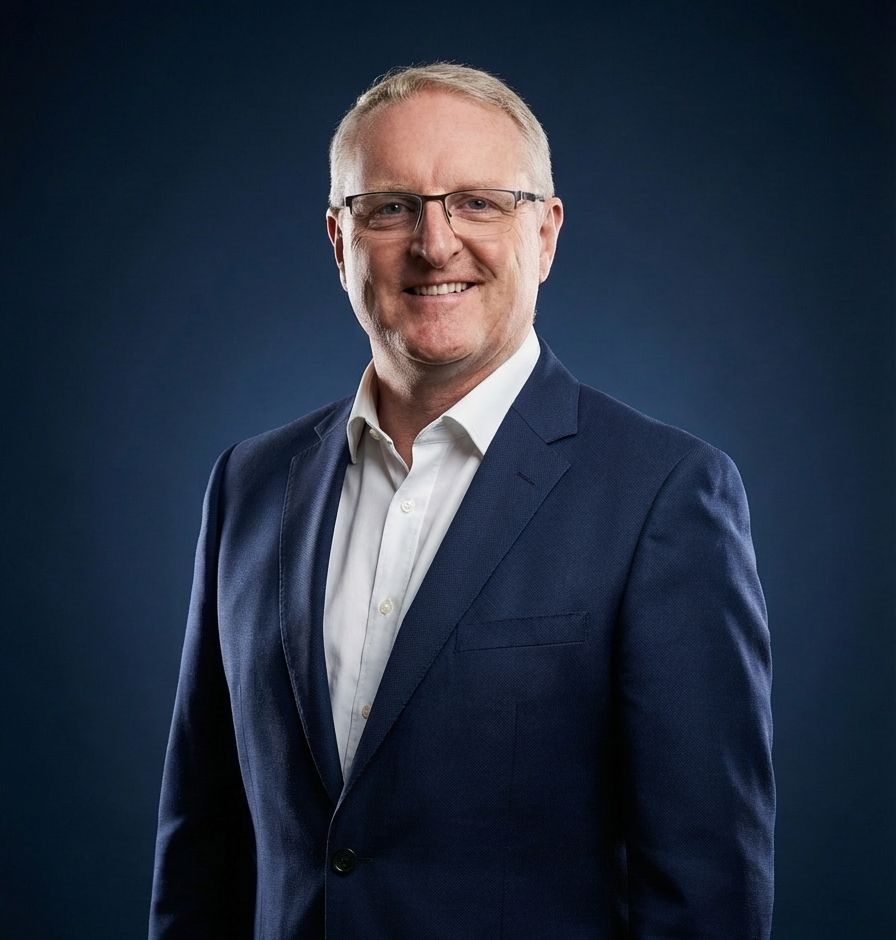
Founder, Leverage OS
Mark Earle is a business systems architect and the creator of Leverage OS, a four-engine operating system designed to remove owner dependency in home service businesses.
I spent 22 years building and fixing my own home service business — trapped in what I call Operator Hell.
Leverage OS exists because I escaped it.
I don’t teach theory.
I install the systems I had to build the hard way.